

Short-haired dogs may be easier to groom than their long-haired counterparts, but "short-haired" doesn't mean "no grooming required." Breeds like Beagles, Boxers, Labradors, Dachshunds, and Weimaraners still shed, collect dirt, and benefit from regular grooming.
The good news? Grooming a short-haired dog is pretty simple. With a few basic tools and a consistent routine, you can keep your dog's coat clean, healthy, and looking its best.
Here are our favorite tips for grooming short-haired dogs.
1. Brush Regularly to Manage Shedding
Short-haired dogs may not develop tangles and mats as easily as long-haired dogs, but they can still shed.
Regular brushing helps remove loose hair, dirt, and debris before they end up throughout your house. It can also help distribute natural oils across the coat.
For most short-haired dogs, a rubber curry brush, grooming mitt, or bristle brush works well. Choose a brush designed for your dog's coat and use gentle strokes in the direction the hair grows.
If your dog is a heavy shedder, you may want to brush more frequently during periods of increased shedding.
PRO TIP: Brushing your dog outside can save you from sweeping up a small mountain of fur afterward.
2. Bathe When Your Dog Needs It
One of the biggest misconceptions about short-haired dogs is that they don't need baths. They do—but they generally don't need to be bathed as frequently as dogs with more demanding coats.
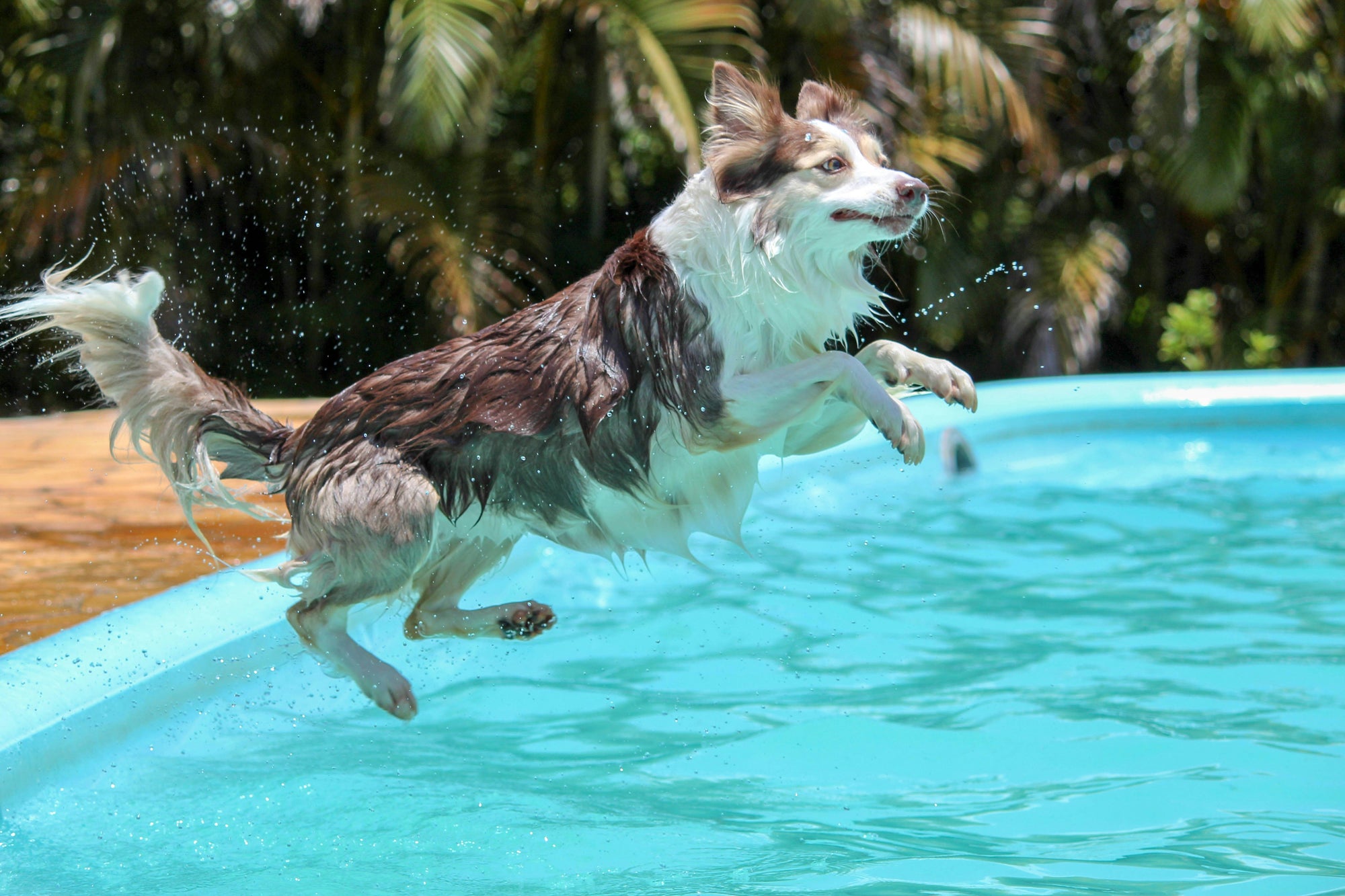
How often your short-haired dog needs a bath depends on their lifestyle. A dog who spends their days hiking, swimming, or digging in the backyard will likely need more frequent baths than a mostly indoor dog.
A good rule: if your dog is dirty, smelly, or covered in something they shouldn't have rolled in, it's probably bath time.
When bathing:
- Use a shampoo formulated specifically for dogs.
- Wet the coat thoroughly before shampooing.
- Massage shampoo gently into the coat and down to the skin.
- Rinse extremely well to remove all shampoo residue.
- Towel dry thoroughly.
Avoid over-bathing, which can remove natural oils and leave your dog's skin and coat dry.
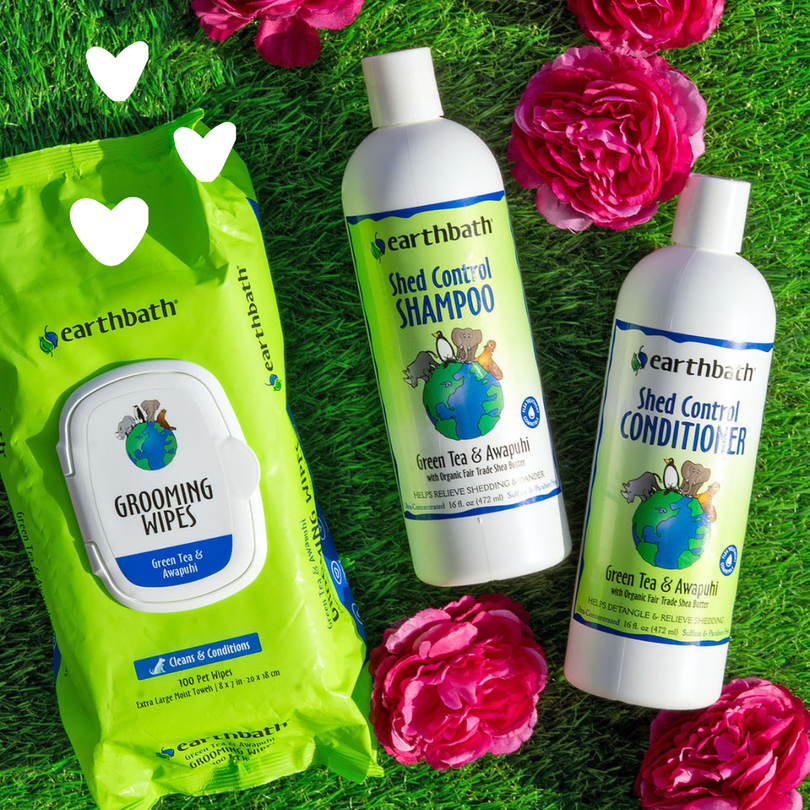
For dogs with specific skin or coat needs, choose a shampoo formulated for those needs. earthbath® offers formulas for everything from sensitive skin to shedding and dry skin.
3. Don't Forget Between-Bath Cleanups
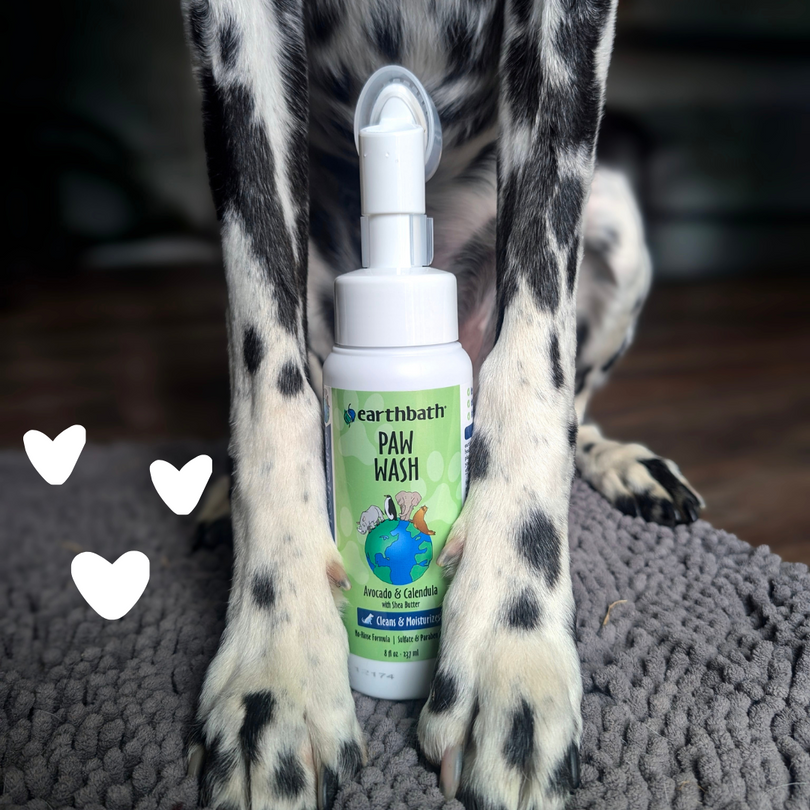
Short-haired dogs are great at picking up dirt, dust, grass, mud, and whatever else they encounter on their adventures. But not every dirty paw requires a full bath.
Grooming wipes are an easy way to freshen up your dog between baths. Use them on dirty paws, legs, undercoats, and other areas that need a quick cleanup. earthbath® Grooming Wipes are made for exactly those in-between moments.
4. Keep an Eye on Skin, Paws & Nails
Because short-haired dogs have less fur covering their skin, it's often easier to notice changes during grooming.
As you brush or bathe your dog, take a quick look for:
- Redness or irritation
- Dry or flaky skin
- Lumps or bumps
- Cuts or scrapes
- Ticks or other parasites
- Cracked paw pads
Check your dog's nails regularly, too. Long nails can affect how a dog walks and may become uncomfortable.
Grooming doesn't have to be a big production. A few minutes of brushing and a quick once-over can help you keep your short-haired dog clean while giving you an opportunity to notice anything that may need attention.
A Simple Short-Haired Dog Grooming Routine
Brush: A few times a week, or more often if your dog sheds heavily.
Bath: When your dog gets dirty, smelly, or otherwise needs a deeper clean.
Wipe down: Use grooming wipes for quick cleanups between baths.
Check: Take a quick look at your dog's skin, paws, ears, and nails while you're grooming.
That's really all most short-haired dogs need to stay fresh, clean, and comfortable.
Frequently Asked Questions
How often should you brush a short-haired dog?
Most short-haired dogs benefit from regular brushing to remove loose hair, dirt, and debris. A few times a week is a good starting point, with more frequent brushing for dogs that shed heavily.
How often should you bathe a short-haired dog?
There isn't one schedule that works for every dog. Bathing frequency depends on your dog's lifestyle, skin, coat, and activity level. Short-haired dogs can often go longer between baths, but outdoor adventures, swimming, mud, and odors may mean it's time for a bath sooner.
What is the best brush for a short-haired dog?
Rubber curry brushes, grooming mitts, and bristle brushes are good options for many short-haired dogs. The best choice depends on your dog's specific coat and how much they shed.
How do you keep a short-haired dog clean between baths?
For everyday dirt and outdoor debris, try dog grooming wipes. They're especially useful for cleaning paws, legs, and other dirty spots without giving your dog a full bath every time.