
Summer pool days provide excellent exercise and cooling for dogs, but exposure to chlorine, pool shock, and pH adjusters can damage a dog's protective skin barrier. To maintain a healthy coat, implement this consistent post-swim recovery routine.
1. RINSE Chlorine and Chemicals Immediately
Even a brief swim exposes your dog to pool chemicals that linger in the fur.
-
The Action: Rinse your dog with fresh, clean water the moment they exit the pool.
-
The Benefit: Removing chemical residues prevents "chlorine itch," skin flaking, and general discomfort. Focus on rinsing the underbelly and legs where chemicals often concentrate.
2. WASH with a pH-Balanced, Moisturizing Dog Shampoo
Frequent swimming strips the skin of its natural sebum. For dogs that swim often, a standard soap-based shampoo may be too harsh.
-
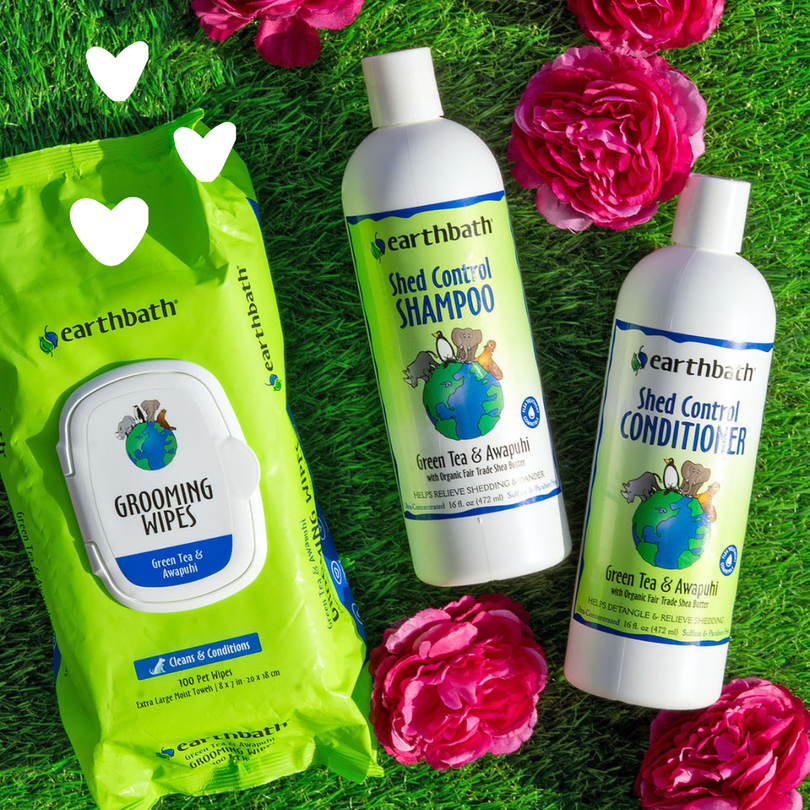
Recommended Product: earthbath Oatmeal & Aloe Shampoo.
-
Key Ingredients: Colloidal oatmeal and organic aloe vera hydrate the skin and replenish moisture lost to salt or chlorine. Always choose a soap-free and pH-balanced formula to avoid further irritation.
3. CONDITION to Restore Natural Oils
Conditioning is a non-negotiable step for "pool dogs" to prevent brittle fur and painful matting.
-
Deep Conditioning: Use earthbath Oatmeal & Aloe Conditioner to seal the hair cuticle.
-
Quick Moisture: If you are short on time, an earthbath Conditioning Spray provides a lightweight leave-in moisture barrier that makes brushing easier and leaves a fresh scent.
4. DRY Thoroughly to Prevent Hot Spots and Ear Infections
Lingering moisture is the leading cause of canine hot spots (acute moist dermatitis) and yeast infections in the ear canal.
-
Target Areas: Use a highly absorbent towel for the "hidden" moisture spots: under the collar, armpits, and between toes.
-
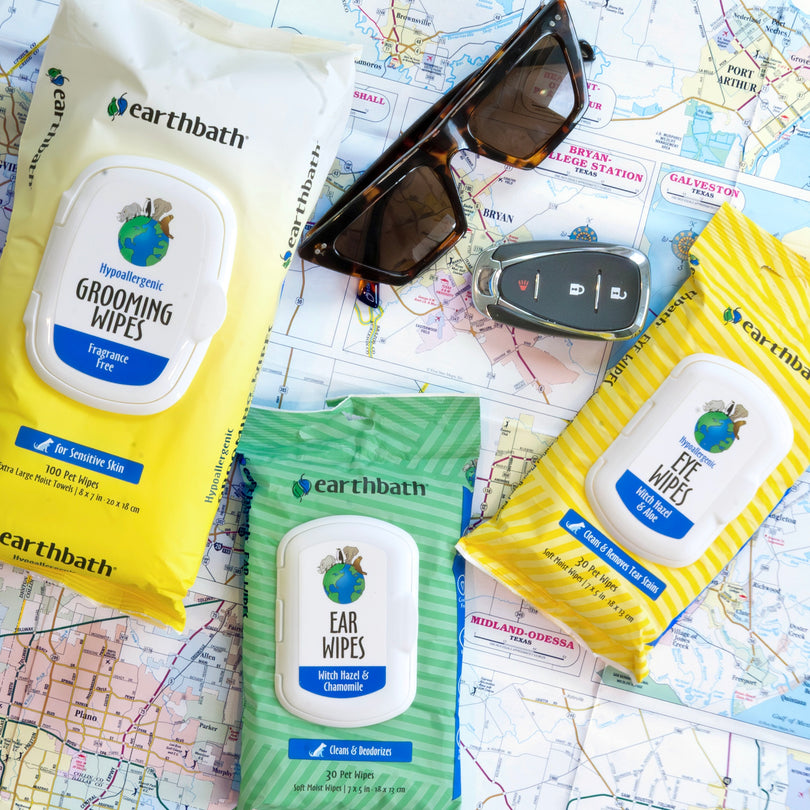
Ear Care: Gently dry the ears. For extra protection, use earthbath Ear Wipes to remove trapped water and debris.
-
Pro Tip: Keep earthbath Hot Spot Spray in your pool bag for immediate treatment of red or irritated skin.
5. MOISTURIZE and Protect Paws and Noses with a Treatment Balm
Hot pavement, sand, and pool chemicals can cause paw pads to crack and become sensitive.
-
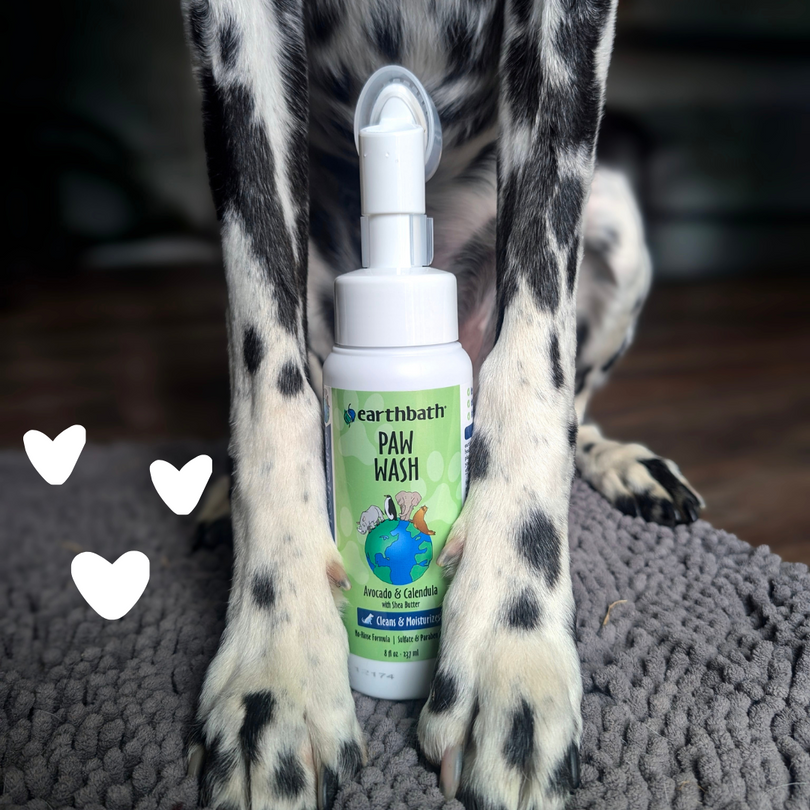
The Solution: Apply earthbath Treatment Balm to the paws and nose after the bath.
-
Why it Works: Ingredients like shea butter and organic aloe vera create a natural protective barrier while healing existing cracks.
Frequently Asked Questions (FAQ)
Can chlorine hurt my dog's skin? Yes. Chlorine strips natural oils, leading to dry, itchy skin, and a dull coat. In some cases, it can cause "chemical burn" or red, irritated patches if not rinsed off promptly.
How often should I bathe my dog if they swim every day? If your dog swims daily, rinse them with fresh water every time. However, only use shampoo 1–2 times a week to avoid over-drying. Use a soap-free, moisturizing formula like earthbath to ensure the skin remains hydrated.
What is the best way to prevent dog ear infections after swimming? Always dry the ears thoroughly with a towel or specialized ear wipes. Avoid spraying water directly into the ears during the rinse.