


If you’ve ever come home to a ruined rug or a chewed-up remote, you know how exhausting destructive canine habits can be. Chewing is a completely natural behavior for dogs, but that doesn't mean your household belongings have to suffer. By identifying what is driving the behavior, you can easily stop unwanted dog chewing and channel that energy into approved, pet-safe alternatives.
Why Is My Dog Chewing Everything?
Before you can address the habit, you need to identify why it is happening.
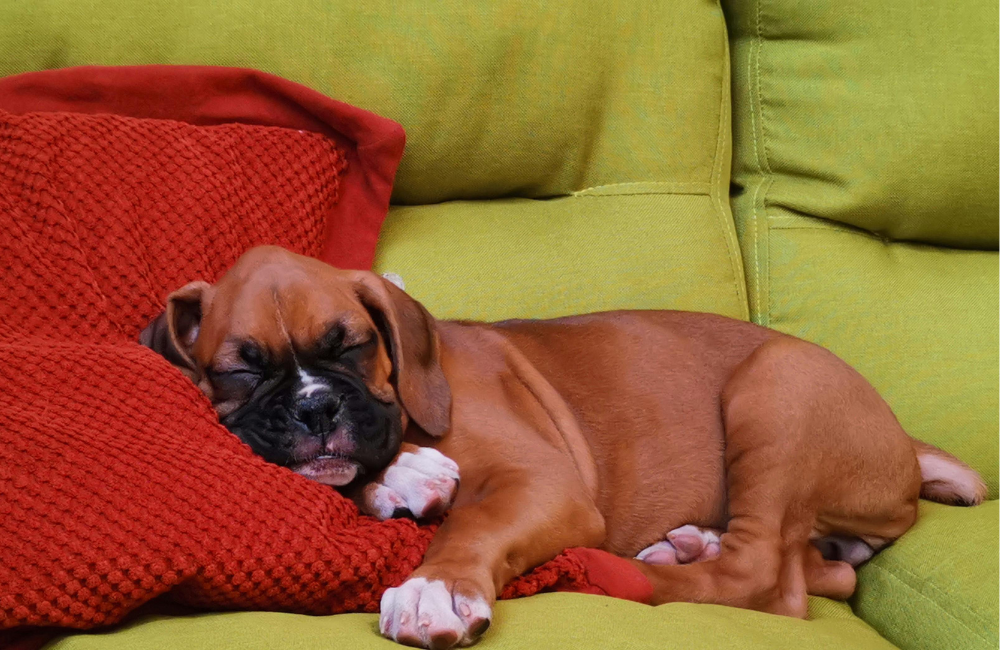
Puppy chewing is typically driven by teething discomfort. Just like human babies, puppies chew to soothe their sore gums, a phase that usually lasts until their adult teeth fully arrive around six months of age.
Adult dog chewing usually stems from boredom, separation anxiety, or a lack of physical and mental stimulation. If a dog doesn't have an appropriate outlet for their energy, they will find their own entertainment—which often results in a dog chewing shoes or destroying furniture.
Targeting Common Problem Areas
Different types of chewing require different interventions. Addressing specific targets directly helps break the cycle:
-
Shoes and Personal Items: A dog chewing shoes or laundry is often attracted to your scent. The best immediate fix is environmental management: keep closets closed, laundry baskets covered, and footwear off the floor.
-
Furniture and Flooring: A dog chewing carpet, baseboards, or couch corners is often a sign of boredom or confinement anxiety. Ensure your dog gets plenty of exercise and mental enrichment through puzzle toys to expend that nervous energy.
-
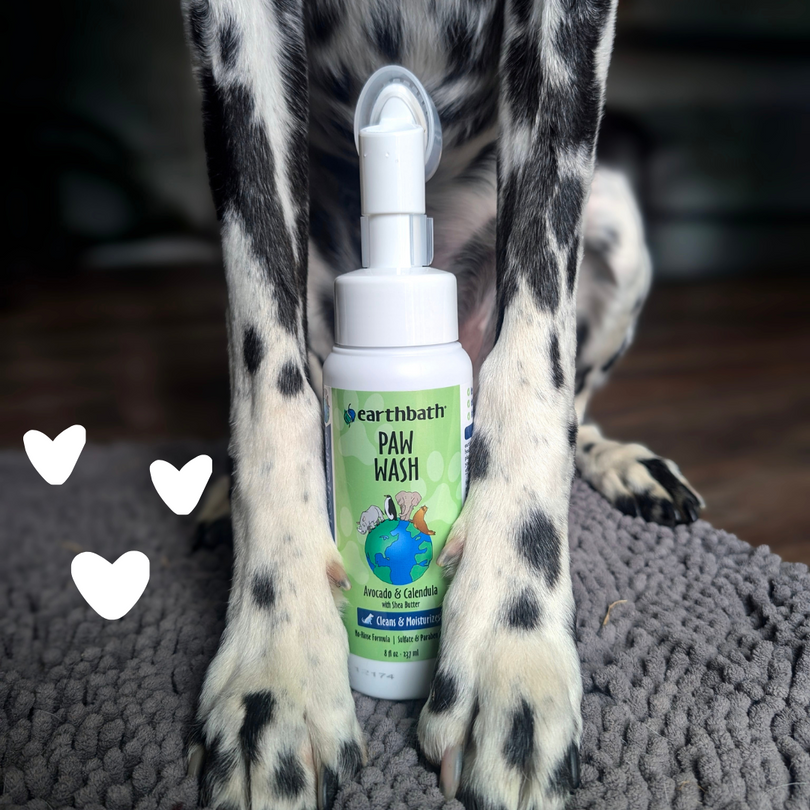
Their Own Body: If you notice your dog chewing paws or legs, this is entirely different from destructive household chewing. Paw chewing is usually a sign of environmental allergies, dry skin, or self-soothing due to stress. If your dog is constantly licking or chewing their paws, it is best to consult your veterinarian to rule out underlying skin issues or food sensitivities.
How to Stop My Dog From Chewing: Actionable Steps
-
Provide Better Alternatives: You cannot stop a dog from chewing entirely, but you can control what they chew. Ensure they have constant access to durable, safe chew toys. When you catch them chewing something inappropriate, calmly swap it out for an approved toy and praise them when they accept it.
-
Increase Exercise and Enrichment: A tired dog is a well-behaved dog. Increase daily walks, introduce interactive games like fetch, and use training sessions to tire out their mind.
-
Use a Safe, Natural Deterrent: For items you cannot easily hide—like table legs or rug corners—a taste deterrent is highly effective. To protect your home without exposing your pet to harsh chemicals, apply a plant-based solution like earthbath No Chew Spray. Formulated with natural bittering agents, it safely discourages destructive chewing on furniture, fabric, and cords by leaving an unappealing taste, helping to break the habit naturally and safely.
Frequently Asked Questions
How to stop dog chewing permanently? The most effective way to stop destructive chewing is a combination of environmental management (keeping tempting items out of reach), providing appropriate chew alternatives, and using a natural deterrent like No Chew Spray on fixed objects. Consistent training and addressing the root cause of boredom or anxiety are key to long-term success.
Why is my puppy chewing on everything suddenly? Sudden, intense puppy chewing is almost always linked to teething, which typically peaks between three and six months of age. Provide frozen chew toys or safe, cold rubber toys to help soothe their aching gums during this uncomfortable phase.
What should I do if my dog is chewing carpet or rugs? If you have a dog chewing carpet, block access to that specific area if possible, increase their daily mental stimulation, and apply a pet-safe deterrent spray to the affected fibers to discourage them from returning to the spot.